- Summary
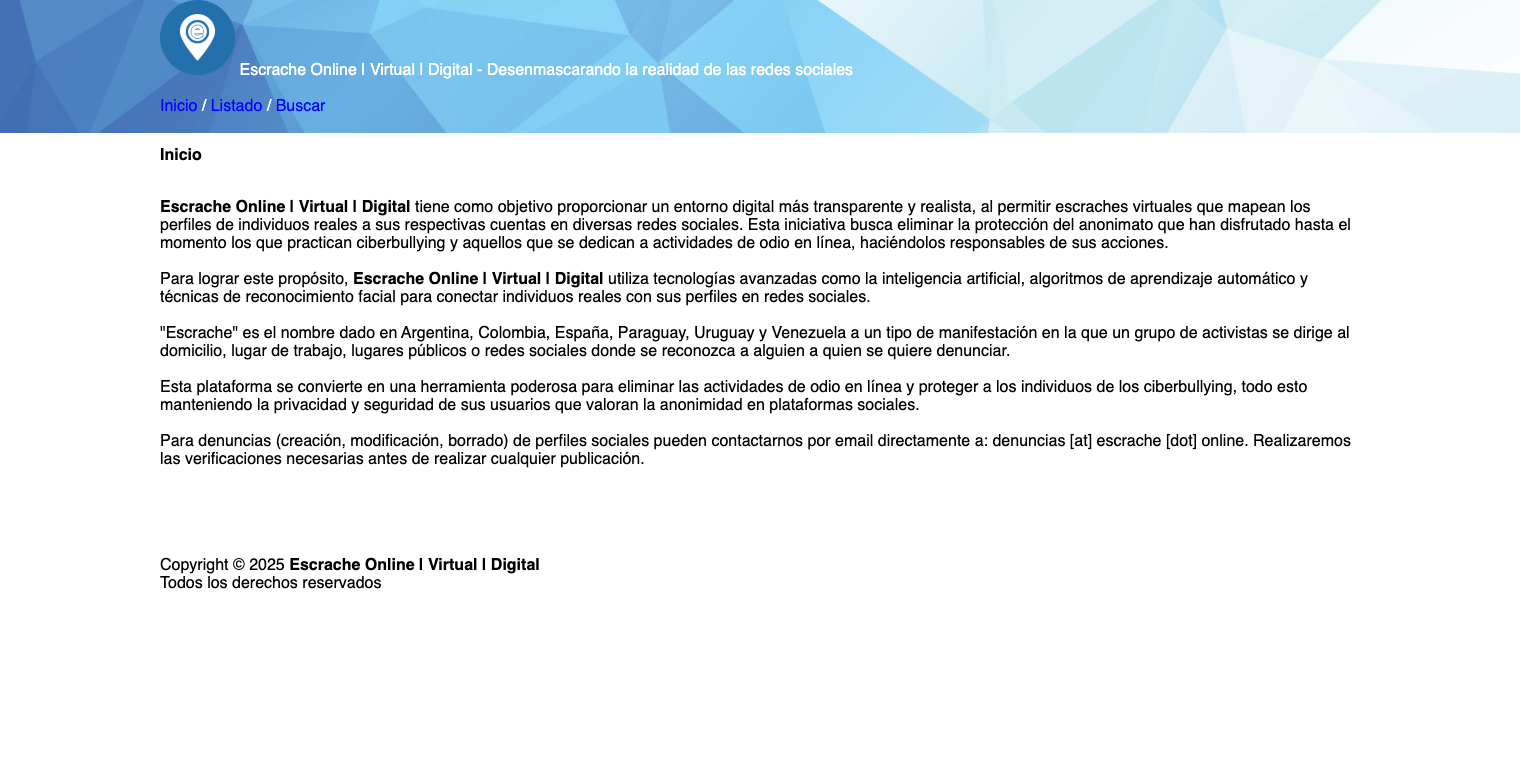
- The text discusses the role of AI in enhancing human performance while simultaneously raising critical safety and ethical concerns. It highlights that artificial intelligence is capable of automating previously human-consuming tasks, yet this automation requires constant attention from both developers and users to maintain system integrity. The article emphasizes the need for responsible use frameworks that balance automation capabilities with human oversight and moral alignment. It also points out the risk that without proper regulation, the potential harm caused by automated processes could outweigh the benefits of improved efficiency and productivity. The discussion concludes by urging a proactive approach that safeguards individuals and society from unintended consequences arising from the integration of technology.
The text outlines a significant shift in how AI systems operate, moving from passive information storage to active, adaptive decision-making. It describes the development of specialized algorithms designed to process vast datasets to provide insights that human analysts cannot easily achieve or interpret. These systems learn continuously from their own outputs, refining their capabilities through feedback loops rather than relying solely on manual input data. This capability allows AI to recognize patterns in complex social environments and suggest strategic responses based on deep contextual understanding. Furthermore, the article notes that this shift brings challenges in defining what constitutes a "good" outcome when algorithms make complex choices in real-world scenarios. The text concludes by suggesting the need for rigorous testing and validation of AI systems against diverse human criteria to ensure accurate and fair predictions across various domains. - Title
- SNOAds
- Description
- SNOAds
- NS Lookup
- A 104.21.64.240, A 172.67.138.43
- Dates
-
Created 2026-03-08Updated 2026-04-04Summarized 2026-04-04
Screenshot

Query time: 229 ms