- Summary
- Recent studies from 2025 and the latest updates to the water conflict chronology reveal a critical gap in understanding the scale of current water emergencies. The latest update identifies unprecedented water-related violence, showing a 20 increase since 2023 and a 78 increase since 2022, highlighting record levels that threaten regional stability. These significant numbers underscore a pressing need to investigate hidden vulnerabilities in municipal and industrial systems. Experts are urgently advised to leverage the untapped potential of data analysis to develop innovative strategies for reducing waste.
The latest assessment indicates that efficiency improvements in water networks can significantly lower demand by 25 to 60 liters per person per day. To address this, water conflict experts recommend integrating advanced computational models into government planning to identify systemic bottlenecks before they escalate into severe disputes. Additionally, the Pacific Institute has established a framework that combines trusted science with feasible policy solutions to empower communities and utility managers. This collaborative approach allows diverse stakeholders—including Fortune 500 companies and governments—to work together effectively.
By utilizing these latest resources, water conflict prevention teams can mitigate the 78-year-old timeline of violence in their regions. Furthermore, understanding that the average person saves about 645 liters of water each year can inspire grassroots initiatives aimed at lowering municipal and industrial consumption. Leaders must now collaborate closely with researchers to implement solutions that are not only scientific but also economically viable. With the current surge in water-related incidents, prioritizing research and action is crucial to ensuring sustainable water availability for future generations.
Ultimately, the data points to a transformative opportunity where combining scientific insights with practical policy can revolutionize how we approach water challenges. This shift empowers communities to take control over their water resources while simultaneously protecting their health and security. The next phase involves rigorous testing of proposed technologies to ensure they can withstand real-world conditions and deliver measurable results across the U.S. region. - Title
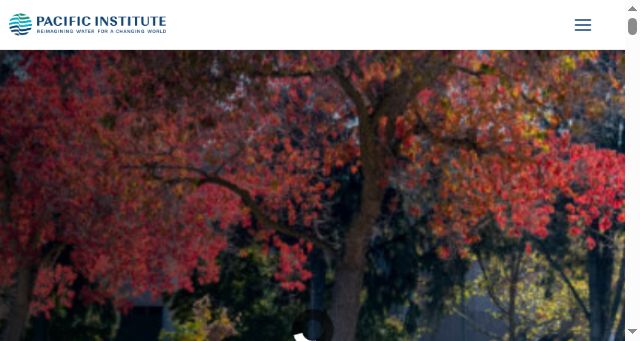
- Pacific Institute – Advancing Solutions to the World's Most Pressing Water Challenges
- Description
- Pacific Institute – Advancing Solutions to the World's Most Pressing Water Challenges
- Keywords
- water, menu, toggle, work, equity, climate, solutions, more, efficiency, nature, pacific, resilience, impact, publications, plan, support, latest
- NS Lookup
- A 209.182.192.91
- Dates
-
Created 2026-03-09Updated 2026-04-07Summarized None
Screenshot
Query time: 4737 ms