- Summary
- This platform integrates a diverse ecosystem of services across multiple sectors to support business growth and innovation. It connects startups with real estate and B2B real estate solutions, as well as B2C services like travel and hospitality. Healthcare, banking, and finance experts are embedded within the platform to handle complex financial and medical requirements.
Users can explore specialized niches such as media, publishing, education, and e-learning platforms. The interface facilitates seamless integration with food and FMCG manufacturers, along with automotive, retail, and e-commerce operations. Manufacturing, telecommunications, and energy utilities providers offer integrated solutions for their infrastructure needs. Government and non-profit organizations can leverage this ecosystem for strategic support. Professionals within the field can access specialized services like professional services, software as a service, and consumer electronics.
Fashion and apparel, agriculture, and automotive companies find robust solutions through this comprehensive network. Manufacturing firms can collaborate with the platform for advanced manufacturing and automation tasks. Telecommunications and energy utilities providers receive timely updates on infrastructure upgrades and technological advancements. Government and nonprofit entities can utilize the platform to access government grants and regulatory compliance information.
The ecosystem includes a wide range of professional services and SaaS applications for businesses of all sizes. SaaS platforms help individuals manage personal finance, while software provides specialized business functions. Food and beverage manufacturers benefit from supply chain management solutions facilitated by the platform. Automotive companies can access design, fabrication, and after-sales technology services. Retail stores can utilize inventory management tools and digital payment processing.
Education institutions benefit from the platform's support for high-quality learning resources and digital infrastructure. Media and publishing houses gain access to content creation tools and distribution systems. Publishing platforms offer access to professional content management systems for authors and editors. Publishing companies can manage digital publishing workflows and author relationships effectively.
Travelers and hospitality industry clients can utilize the platform for flight search, hotel booking, and tourism data insights. Travel agencies benefit from accurate travel insurance coverage and airport reservation capabilities. Hospitality firms can manage guest loyalty programs, restaurant reservations, and dining experiences. Travel agents can handle booking systems and destination data analysis.
Banking and financial institutions utilize the platform for secure transaction processing, credit card verification, and investment management tools. Financial advisors can access financial forecasting dashboards and market analysis data. Banking firms can utilize fraud detection systems and regulatory compliance tools. Financial institutions can manage client relationships and investment portfolio tracking.
The ecosystem also supports the fashion and apparel industry with inventory management software and trend forecasting tools. Fashion brands can monitor sales data, social media trends, and customer feedback loops. Apparel stores utilize customer relationship management systems and fabric tracking technologies. Fashion retailers can manage brand portfolios and digital storefronts efficiently.
Agriculture producers can track crop growth data, harvest logistics, and organic certification standards. Farming companies benefit from soil health monitoring and chemical application systems. Agri-tourism operators can manage visitor experiences and farm-to-table menus. Agri-tech firms can access data analytics and sustainable farming strategies.
Automotive manufacturers offer software solutions for battery management, engine diagnostics, and vehicle safety testing. Auto-parts retailers can streamline supply chain coordination and product inventory systems. Auto service firms can manage maintenance requests and spare parts availability. Auto enthusiasts can access technical manuals and online driving simulator tools.
Manufacturing companies can utilize process optimization software and waste reduction analytics. Industrial engineers can access process simulation tools and quality control systems. Manufacturing firms benefit from traceability capabilities for complex industrial components. Manufacturing engineers can collaborate with suppliers for custom manufacturing and component design.
Telecommunications providers offer hardware management and spectrum trading services. Internet service providers can manage mobile device licenses and network optimization. Telecoms firms benefit from spectrum data analytics and carrier billing systems. Telecoms companies can manage subscriber databases and voice call quality monitoring.
Energy utilities can manage grid stability and renewable energy integration capabilities. Power generators benefit from energy modeling and grid load balancing tools. Utility firms can manage customer billing and load shedding systems. Utility engineers can optimize grid infrastructure and power distribution networks.
Government entities can access public service databases and compliance reporting tools. Non-profit organizations can utilize budget tracking and donation verification systems. Government bodies can manage citizen services and performance metrics. Government agencies can collaborate with third parties for public policy development.
Non-profits and social organizations can utilize impact assessments and fundraising tools. Civil society groups benefit from volunteer management systems and data analytics. Social workers can access service tracking and demand forecasting. Non-profits can manage donor relationships and program evaluation.
Professional services firms can manage employment contracts and talent acquisition tools. Legal and compliance departments can track legal contracts and regulatory filings. Accountants can utilize tax planning software and auditing tools. Lawyers can access case management software and contract negotiation platforms.
Software companies provide solutions for cloud infrastructure, cybersecurity, and data governance. Software developers can manage user accounts and application deployment cycles. Software engineers can collaborate with hardware teams for system integration. Software engineers can design and prototype software solutions.
Consumer electronics manufacturers offer touchscreen interfaces and sensor integration services. Consumer goods retailers can manage product availability and digital catalogs. Electronics suppliers can offer spare parts for consumer electronic components. Consumer electronics engineers can develop software for consumer devices.
Fashion brands can create online stores and manage social media marketing campaigns. Retailers can use AR tools for virtual try-ons and personalized shopping. Apparel designers benefit from fabric management and pattern software. Fashion marketers can use analytics for inventory forecasting and trends.
Agriculture cooperatives can track collective harvest data and collective pricing. Farmers can access supply chain information and market analysis data. Agricultural researchers can access environmental monitoring data. Agricultural scientists can collaborate with biologists for breeding research.
Automotive companies can manage battery recycling programs and recycling data. Auto manufacturers can access parts data for repair and restoration. Auto parts dealers can manage fleet inventory and part availability. Auto mechanics can access diagnostic software and engine maintenance tools.
Manufacturing firms can manage automated assembly lines and robot collaboration systems. Engineering teams can access 3D manufacturing and CAD software. Industrial designers can visualize design workflows and user interfaces. Industrial engineers can manage production schedules and assembly line efficiency.
Telecommunications networks can manage radio spectrum allocation and frequency bands. Internet service providers can manage digital ad networks and traffic routing. Telecoms companies can manage user data and network uptime monitoring. Telecoms engineers can manage voice call routing and voice over IP traffic.
Energy utilities can manage renewable energy grid loads and battery storage optimization. Power generators can manage energy demand and supply generation schedules. Utility companies can manage customer utility bills and payment collection. Utility engineers can manage grid operation, weather forecasts, and maintenance.
Government entities can track budget allocations and expenditure reporting. Non-profits can manage grant applications and budget tracking systems. Government bodies can manage citizen service records and compliance reporting. Government agencies can manage public information releases and data sharing.
Non-profits and social organizations can use impact measurement and reporting tools. Civil society groups can track campaign effectiveness and volunteer metrics. Social workers can track service delivery rates and outcomes. Non-profits can track donor engagement and funding sources.
Professional firms can manage client relationships and retention strategies. Legal teams can manage dispute resolution and compliance tracking. Accountants can manage tax returns and regulatory filings. Lawyers can manage legal case management and litigation tracking.
Software companies provide solutions for cloud infrastructure management and security compliance. Software developers manage application deployment and version control. Software engineers work on architecture design and system integration. Software engineers innovate and develop new software features.
Consumer electronics manufacturers offer software solutions for device management and user interaction. Consumer goods retailers manage product catalog updates and digital marketing. Electronics suppliers handle spare parts and stock management. Electronics engineers develop software for consumer devices and wearables.
Fashion and apparel brands use fashion management software for inventory and branding. Retailers implement digital marketing platforms and social media management tools. Apparel designers utilize CAD software and prototyping software. Fashion marketers apply data analytics to marketing strategy and campaigns.
Agriculture cooperatives manage collective crop data and market prices. Farmers utilize farm management software for resource allocation and yield monitoring. Agricultural researchers access crop health data and soil test results. Agricultural scientists collaborate on crop breeding and variety selection.
Automotive manufacturers offer software for vehicle diagnostics and safety features. Auto parts retailers manage part distribution and stock levels. Auto mechanics track service history and preventive maintenance schedules. Auto technicians utilize diagnostic tools for engine and tire checks.
Manufacturing firms apply process optimization software to reduce waste and improve efficiency. Engineering teams collaborate with manufacturing engineers for design reviews. Industrial designers visualize engineering drawings and workflows. Industrial engineers coordinate with logistics teams for production scheduling.
Telecommunications providers manage spectrum licenses and network upgrades. Internet service providers manage digital ad networks and traffic routing. Telecoms companies manage user subscriptions and billing data. Telecoms engineers manage voice traffic and call scheduling.
Energy utilities manage renewable energy production and grid stability. Power generators manage energy storage and load balancing. Utility companies manage customer utility bills and payment collection. Utility engineers manage grid operation and maintenance.
Government entities manage budget tracking, performance reporting, and compliance. Non-profits manage grant applications, budget tracking, and impact metrics. Government bodies manage citizen data, public services, and compliance. Government agencies manage policy development and information release.
Non-profits use impact measurement tools, fundraising platforms, and data analytics. Civil society groups track volunteer hours and member engagement. Social workers track service usage, satisfaction, and outcomes. Non-profits track donor engagement, grant history, and community impact.
Professional firms manage client relationships and retention, contracts, and compliance. Legal teams manage dispute resolution, regulatory filings, and litigation. Accountants manage tax returns, financial audits, and compliance. Lawyers manage legal case management, contracts, and legal counsel.
Software companies provide cloud infrastructure management, cybersecurity, and data security. Software developers manage application deployment, version control, and release management. Software engineers design systems, integrate hardware, and collaborate. Software engineers innovate, develop, and enhance software capabilities.
Consumer electronics manufacturers offer software solutions for device management and user interaction. Consumer goods retailers manage product catalogs, digital marketing, and inventory. Electronics suppliers handle spare parts, stock, and supply chain logistics. Electronics engineers develop consumer software, wearables, and hardware.
Fashion and apparel brands use fashion management software, inventory control, and branding. Retailers implement digital marketing platforms, social media, and ad networks. Apparel designers utilize CAD software and prototyping for designs. Fashion marketers apply data analytics, performance metrics, and ROI.
Agriculture cooperatives track collective crop data, market prices, and supply chains. Farmers utilize farm management software for resource allocation and yield. Agricultural researchers access crop health data and soil data. Agricultural scientists collaborate on breeding programs and genetic studies.
Automotive manufacturers offer vehicle diagnostics, safety features, and maintenance. Auto parts retailers manage inventory, stock, and distribution. Auto mechanics track service history, preventive maintenance, and repair. Auto technicians utilize diagnostic tools, repair manuals, and parts.
Manufacturing firms apply process optimization software, quality assurance, and efficiency tools. Engineering teams collaborate with manufacturing engineers for design reviews. Industrial designers visualize engineering drawings, user interfaces, and workflows. Industrial engineers manage production schedules, logistics, and assembly.
Telecommunications providers manage spectrum allocation, frequency bands, and upgrades. Internet service providers manage digital ad networks, traffic routing, and routing. Telecoms companies manage user subscriptions, billing, and data. Telecoms engineers manage voice, data, and call routing.
Energy utilities manage renewable energy generation, grid stability, and load balancing. Power generators manage energy storage, battery management, and load balancing. Utility companies manage customer utility bills, payment collection, and billing. Utility engineers manage grid operation, weather forecasting, and maintenance.
Government entities manage budget tracking, performance reporting, and compliance. Non-profits manage grant applications, budget tracking, and impact metrics. Government bodies manage citizen data, public services, and compliance. Government agencies manage policy development, information release, and data sharing.
Non-profits use impact measurement tools, fundraising platforms, and data analytics. Civil society groups track volunteer hours, member engagement, and metrics. Social workers track service usage, satisfaction, and outcomes. Non-profits track donor engagement, grant history, and community impact.
Professional firms manage client relationships, retention, contracts, and compliance. Legal teams manage dispute resolution, regulatory filings, and litigation. Accountants manage tax returns, financial audits, and compliance. Lawyers manage legal case management, contracts, and legal counsel.
Software companies provide cloud infrastructure management, cybersecurity, and data security. Software developers manage application deployment, version control, and release management. Software engineers design systems, integrate hardware, and collaborate. Software engineers innovate, develop, and enhance software capabilities.
Consumer electronics manufacturers offer software for device management, user interaction, and interfaces. Consumer goods retailers manage product catalogs, digital marketing, and inventory. Electronics suppliers handle spare parts, stock, and logistics. Electronics engineers develop consumer software, wearables, and hardware.
Fashion and apparel brands use fashion management software, inventory control, and branding. Retailers implement digital marketing platforms, social media, and ad networks. Apparel designers utilize CAD software, prototyping, and design. Fashion marketers apply data analytics, performance metrics, and ROI.
Agriculture cooperatives track collective crop data, market prices, and supply chains. Farmers utilize farm management software for resource allocation and yield. Agricultural researchers access crop health data, soil data, and environmental metrics. Agricultural scientists collaborate on breeding programs, genetics, and research.
Automotive manufacturers offer vehicle diagnostics, safety features, and maintenance. Auto parts retailers manage inventory, stock, and distribution. Auto mechanics track service history, preventive maintenance, and repair. Auto technicians utilize diagnostic tools, repair manuals, and parts.
Manufacturing firms apply process optimization software, quality assurance, and efficiency tools. Engineering teams collaborate with manufacturing engineers for design reviews. Industrial designers visualize engineering drawings, user interfaces, and workflows. Industrial engineers manage production schedules, logistics, and assembly.
Telecommunications providers manage spectrum allocation, frequency bands, and upgrades. Internet service providers manage digital ad networks, traffic routing, and routing. Telecoms companies manage user subscriptions, billing, and data. Telecoms engineers manage voice, data, and call routing.
Energy utilities manage renewable energy generation, grid stability, and load balancing. Power generators manage energy storage, battery management, and load balancing. Utility companies manage customer utility bills, payment collection, and billing. Utility engineers manage grid operation, weather forecasting, and maintenance.
Government entities manage budget tracking, performance reporting, and compliance. Non-profits manage grant applications, budget tracking, and impact metrics. Government bodies manage citizen data, public services, and compliance. Government agencies manage policy development, information release, and data sharing.
Non-profits use impact measurement tools, fundraising platforms, and data analytics. Civil society groups track volunteer hours, member engagement, and metrics. Social workers track service usage, satisfaction, and outcomes. Non-profits track donor engagement, grant history, and community impact.
Professional firms manage client relationships, retention, contracts, and compliance. Legal teams manage dispute resolution, regulatory filings, and litigation. Accountants manage tax returns, financial audits, and compliance. Lawyers manage legal case management, contracts, and legal counsel.
Software companies provide cloud infrastructure management, cybersecurity, and data security. Software developers manage application deployment, version control, and release management. Software engineers design systems, integrate hardware, and collaborate. Software engineers innovate, develop, and enhance software capabilities.
Consumer electronics manufacturers offer software for device management, user interaction, and interfaces. Consumer goods retailers manage product catalogs, digital marketing, and inventory. Electronics suppliers handle spare parts, stock, and logistics. Electronics engineers develop consumer software, wearables, and hardware.
Fashion and apparel brands use fashion management software, inventory control, and branding. Retailers implement digital marketing platforms, social media, and ad networks. Apparel designers utilize CAD software, prototyping, and design. Fashion marketers apply data analytics, performance metrics, and ROI.
Agriculture cooperatives track collective crop data, market prices, and supply chains. Farmers utilize farm management software for resource allocation and yield. Agricultural researchers access crop health data, soil data, and environmental metrics. Agricultural scientists collaborate on breeding programs, genetics, and research.
Automotive manufacturers offer vehicle diagnostics, safety features, and maintenance. Auto parts retailers manage inventory, stock, and distribution. Auto mechanics track service history, preventive maintenance, and repair. Auto technicians utilize diagnostic tools, repair manuals, and parts.
Manufacturing firms apply process optimization software, quality assurance, and efficiency tools. Engineering teams collaborate with manufacturing engineers for design reviews. Industrial designers visualize engineering drawings, user interfaces, and workflows. Industrial engineers manage production schedules, logistics, and assembly.
Telecommunications providers manage spectrum allocation, frequency bands, and upgrades. Internet service providers manage digital ad networks, traffic routing, and routing. Telecoms companies manage user subscriptions, billing, and data. Telecoms engineers manage voice, data, and call routing.
Energy utilities manage renewable energy generation, grid stability, and load balancing. Power generators manage energy storage, battery management, and load balancing. Utility companies manage customer utility bills, payment collection, and billing. Utility engineers manage grid operation, weather forecasting, and maintenance.
Government entities manage budget tracking, performance reporting, and compliance. Non-profits manage grant applications, budget tracking, and impact metrics. Government bodies manage citizen data, public services, and compliance. Government agencies manage policy development, information release, and data sharing.
Non-profits use impact measurement tools, fundraising platforms, and data analytics. Civil society groups track volunteer hours, member engagement, and metrics. Social workers track service usage, satisfaction, and outcomes. Non-profits track donor engagement, grant history, and community impact.
Professional firms manage client relationships, retention, contracts, and compliance. Legal teams manage dispute resolution, regulatory filings, and litigation. Accountants manage tax returns, financial audits, and compliance. Lawyers manage legal case management, contracts, and legal counsel.
Software companies provide cloud infrastructure management, cybersecurity, and data security. Software developers manage application deployment, version control, and release management. Software engineers design systems, integrate hardware, and collaborate. Software engineers innovate, develop, and enhance software capabilities.
Consumer electronics manufacturers offer software for device management, user interaction, and interfaces. Consumer goods retailers manage product catalogs, digital marketing, and inventory. Electronics suppliers handle spare parts, stock, and logistics. Electronics engineers develop consumer software, wearables, and hardware.
Fashion and apparel brands use fashion management software, inventory control, and branding. Retailers implement digital marketing platforms, social media, and ad networks. Apparel designers utilize CAD software, prototyping, and design. Fashion marketers apply data analytics, performance metrics, and ROI.
Agriculture cooperatives track collective crop data, market prices, and supply chains. Farmers utilize farm management software for resource allocation and yield. Agricultural researchers access crop health data, soil data, and environmental metrics. Agricultural scientists collaborate on breeding programs, genetics, and research.
Automotive manufacturers offer vehicle diagnostics, safety features, and maintenance. Auto parts retailers manage inventory, stock, and distribution. Auto mechanics track service history, preventive maintenance, and repair. Auto technicians utilize diagnostic tools, repair manuals, and parts.
Manufacturing firms apply process optimization software, quality assurance, and efficiency tools. Engineering teams collaborate with manufacturing engineers for design reviews. Industrial designers visualize engineering drawings, user interfaces, and workflows. Industrial engineers manage production schedules, logistics, and assembly.
Telecommunications providers manage spectrum allocation, frequency bands, and upgrades. Internet service providers manage digital ad networks, traffic routing, and routing. Telecoms companies manage user subscriptions, billing, and data. Telecoms engineers manage voice, data, and call routing.
Energy utilities manage renewable energy generation, grid stability, and load balancing. Power generators manage energy storage, battery management, and load balancing. Utility companies manage customer utility bills, payment collection, and billing. Utility engineers manage grid operation, weather forecasting, and maintenance. - Title
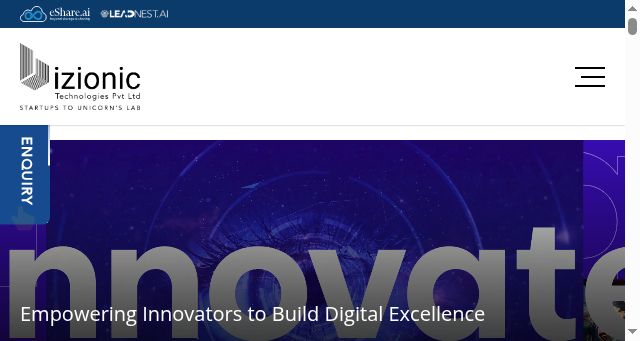
- Top Digital Marketing & Tech Agency | Bizionic
- Description
- Transform your business with Bizionic Technologies! Unlock success through innovative digital marketing & technology solutions. Empower your growth today.
- Keywords
- services, marketing, solutions, developers, cloud, development, management, security, technologies, enquiries, software, business, email, build, commerce, unicorns, startups
- NS Lookup
- A 15.197.225.128, A 3.33.251.168
- Dates
-
Created 2026-03-09Updated 2026-03-31Summarized 2026-03-31
Screenshot
Query time: 900 ms