- Summary
- This guide analyzes the impact of artificial intelligence on employment sectors while highlighting how new technologies are transforming industries through automation, data analysis, and intelligent decision-making. These tools enhance efficiency and productivity within various fields such as finance, healthcare, and education. However, the widespread adoption raises critical questions about job displacement risks and requires adaptation strategies for workers. Understanding these shifts is essential to ensure social equity and economic stability as organizations evolve to integrate AI effectively. By focusing on human-centric approaches, companies can mitigate negative outcomes while fostering innovation in complex modern business models.
The integration of advanced algorithms allows businesses to optimize resource allocation dynamically. This capability creates a competitive advantage in solving intricate problems efficiently. Yet, challenges remain regarding workforce readiness and skill gaps that need addressing through reskilling programs and continuous education initiatives for employees. Governments must play a proactive role in supporting lifelong learning frameworks to bridge the digital divide and empower individuals effectively. Ultimately, success relies on balancing technological advancement with cultural values centered on human dignity and long-term growth. - Title
- Nothing to see here, move along
- Description
- Nothing to see here, move along
- Categories
- NS Lookup
- A 104.21.59.105, A 172.67.223.11
- Dates
-
Created 2024-02-24Updated 2026-11-04Summarized 2026-11-11
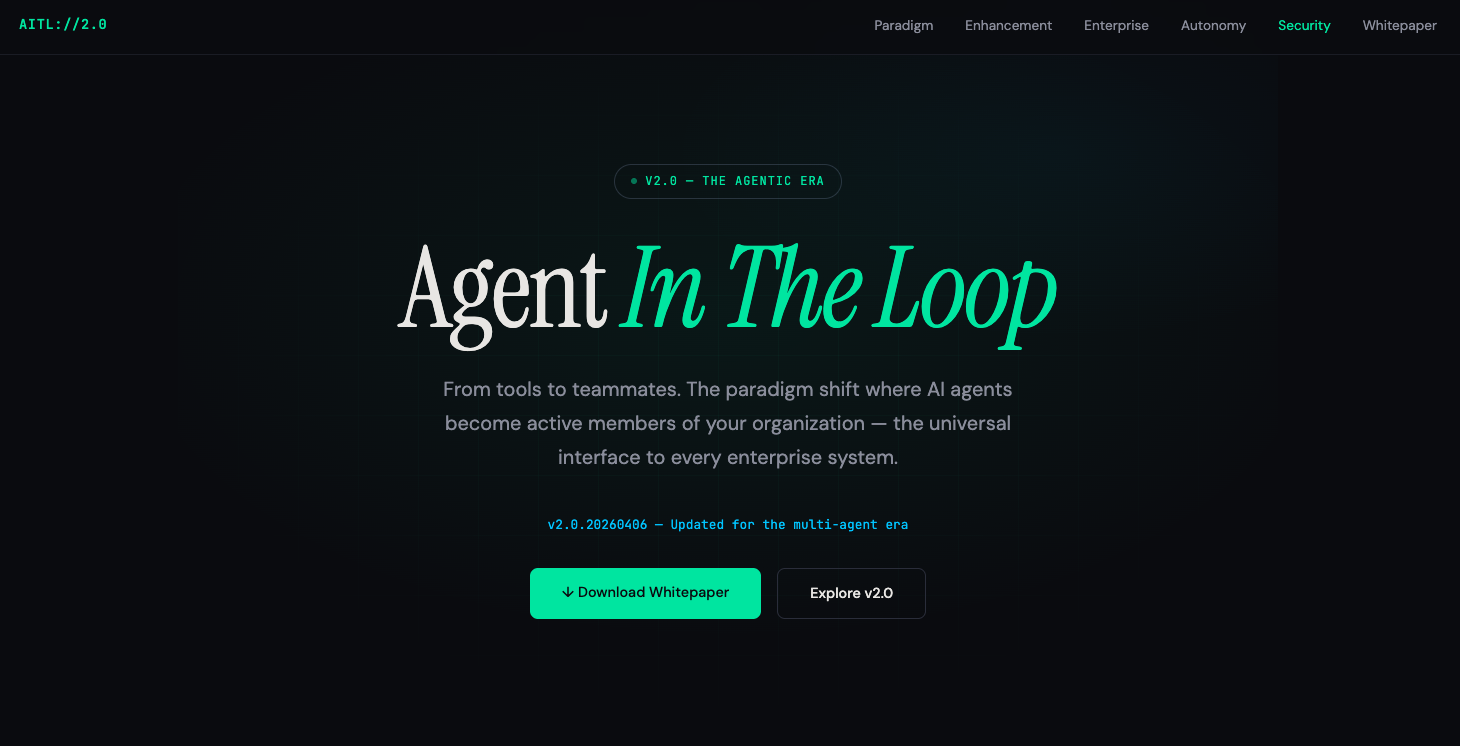
Screenshot

Query time: 6718 ms